PHOTOGRAPHS · REFLECTIONS · PSYCHOTHERAPY
What Might the Buddha’s Life Teach Us About Compassion in Psychotherapy?
Reflections from a Pilgrimage through India and Nepal
A journey through places associated with the Buddha’s life, explored from the perspective of a psychotherapist working with Compassion Focused Therapy (CFT).
Through photographs and reflections, this poster considers how the Buddha’s search, awakening, teaching and commitment to others can enrich our understanding of cultivating a compassionate mind. It explores the role of wisdom, bodily care, practice and community, alongside questions about interdependence and compassionate action.
Photographs from the pilgrimage
Reading Old Path White Clouds, Vietnamese Zen master Thich Nhat Hanh’s retelling of the Buddha’s life, inspired this journey with my partner through India and Nepal.
Visiting these places offered opportunities to connect the stories with particular landscapes, communities and moments of reflection. The photographs below follow the broad course of the Buddha’s life, rather than our travel itinerary. Places linked to his teaching years are grouped together, as he returned to many of them over time.
Select a photograph to see it in full.
Birth and early life
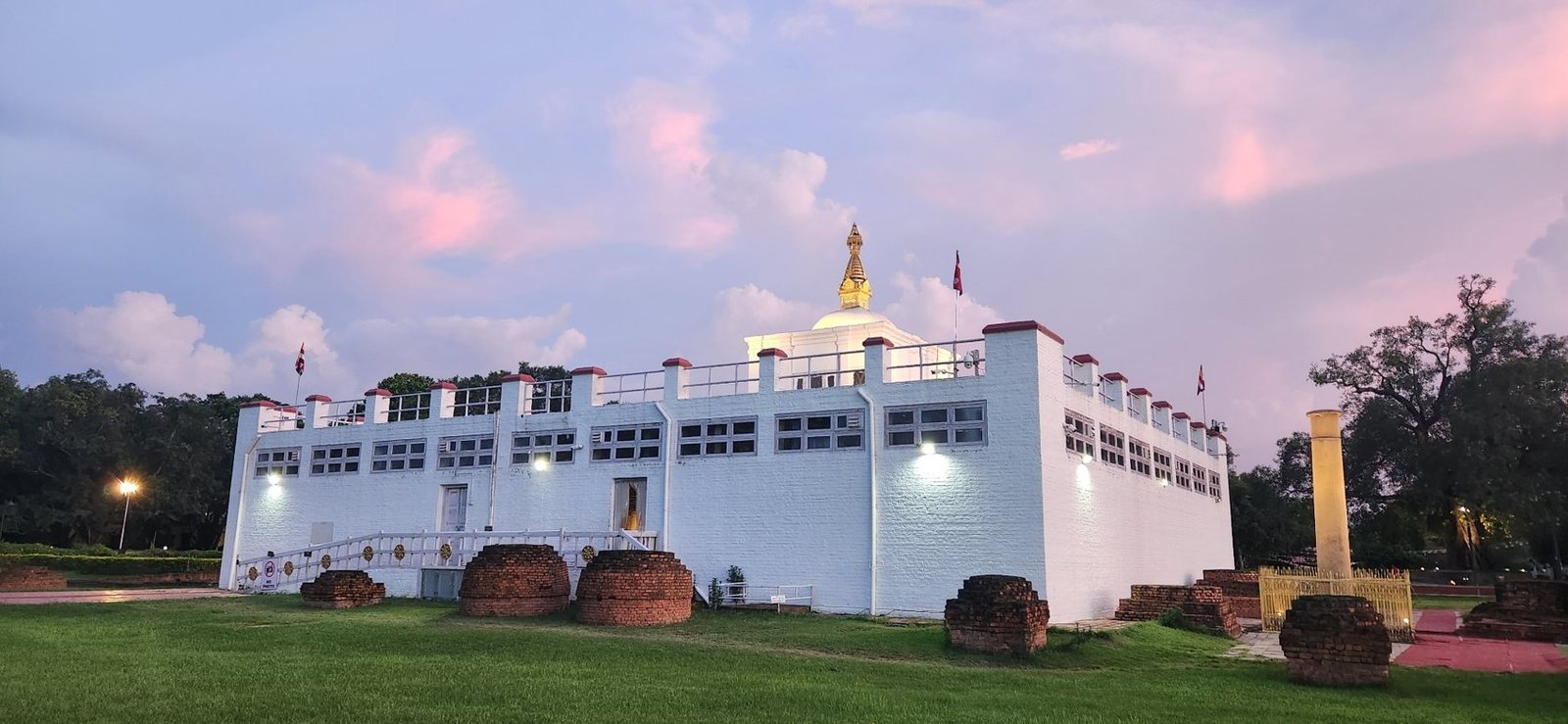
Maya Devi Temple, Lumbini, Nepal
The temple marks the traditional birthplace of the Buddha and honours his mother, Maya Devi.
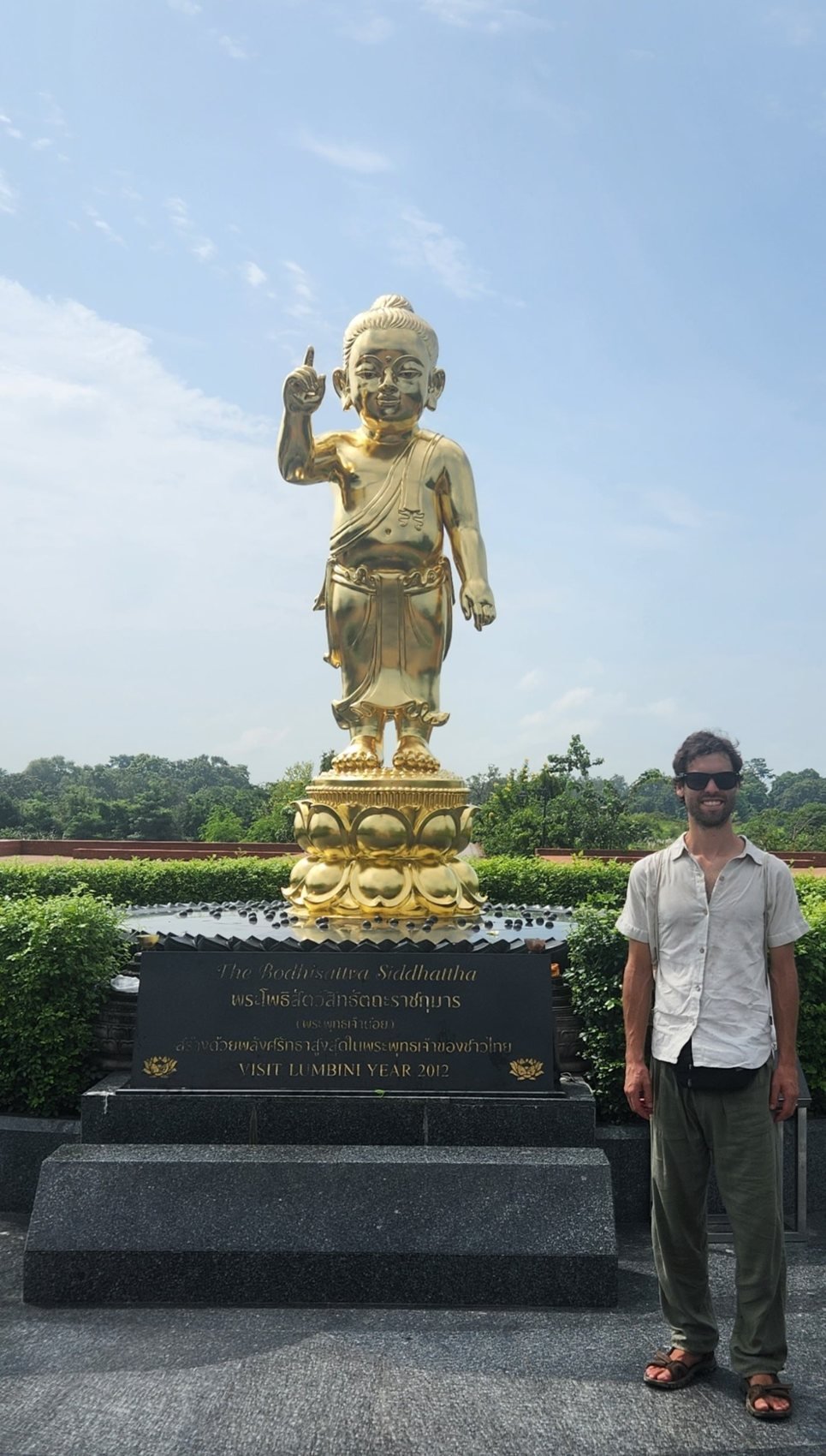
Baby Buddha, Lumbini, Nepal
This statue evokes the birth of Siddhartha Gautama, the child who would later become the Buddha.
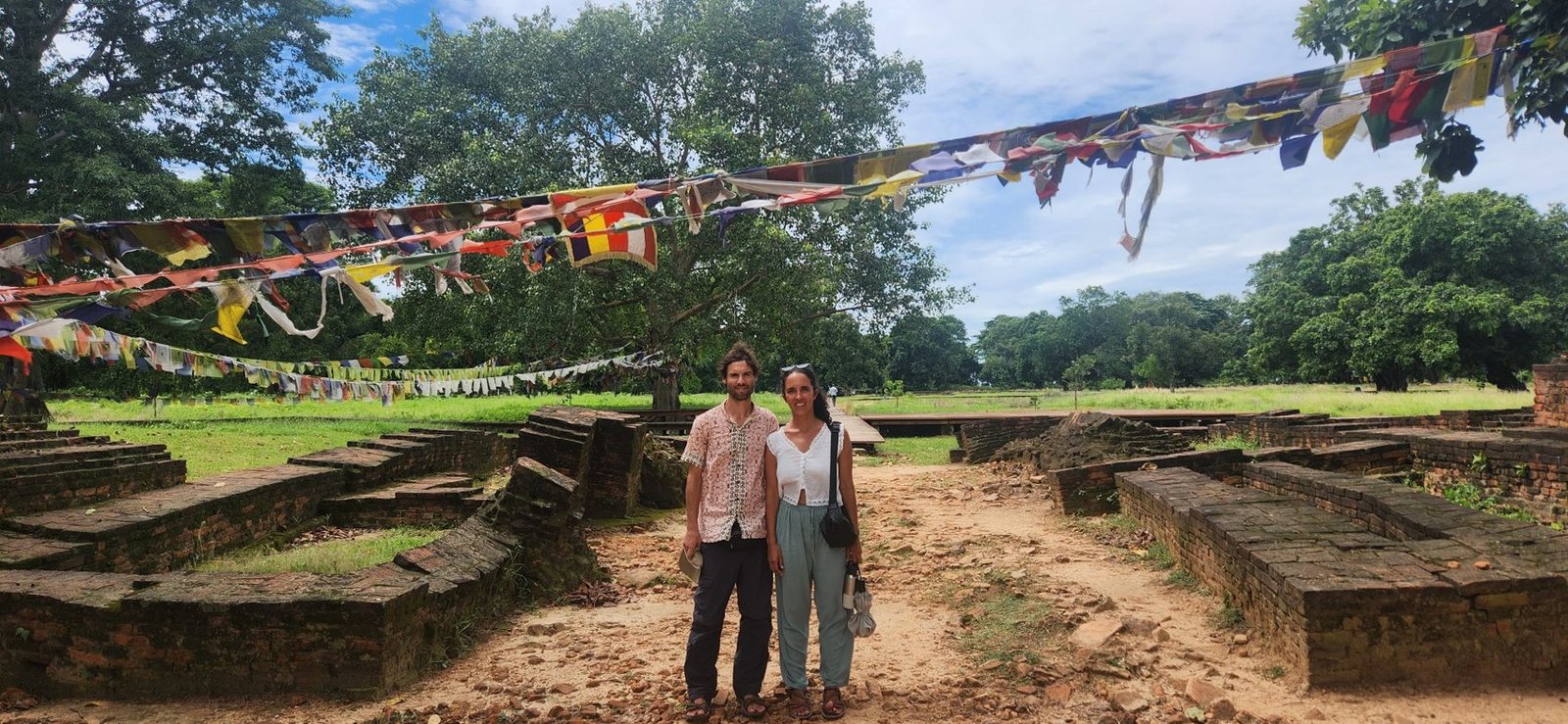
Buddha's Childhood Home, Kapilavastu, Nepal
Associated with his upbringing, Kapilavastu recalls the family life and expectations he left to seek a response to suffering.
The search and awakening
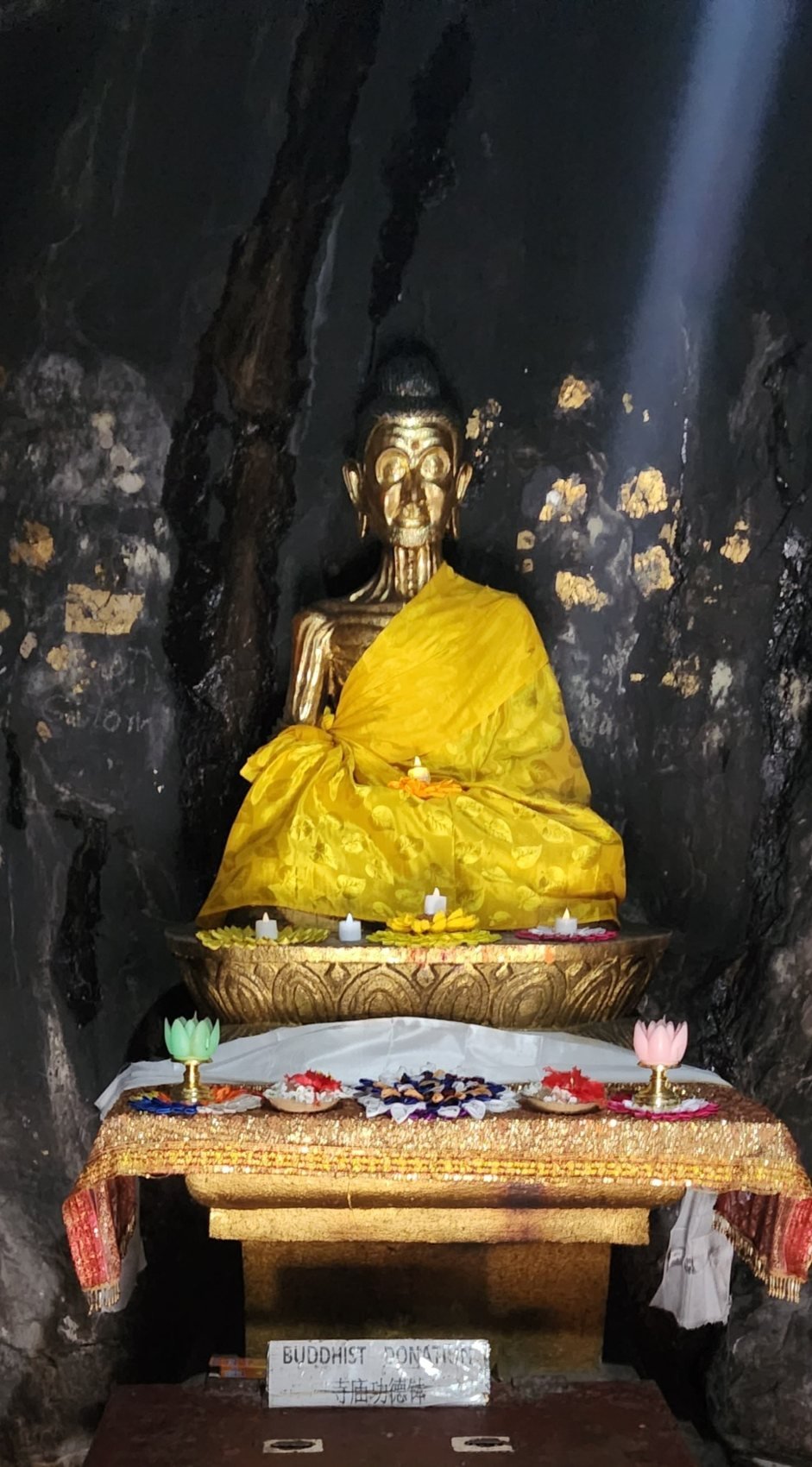
Pragbodi Cave 1, Bodh Gaya, India
This cave is associated with the severe austerities he practised before turning away from self-mortification.
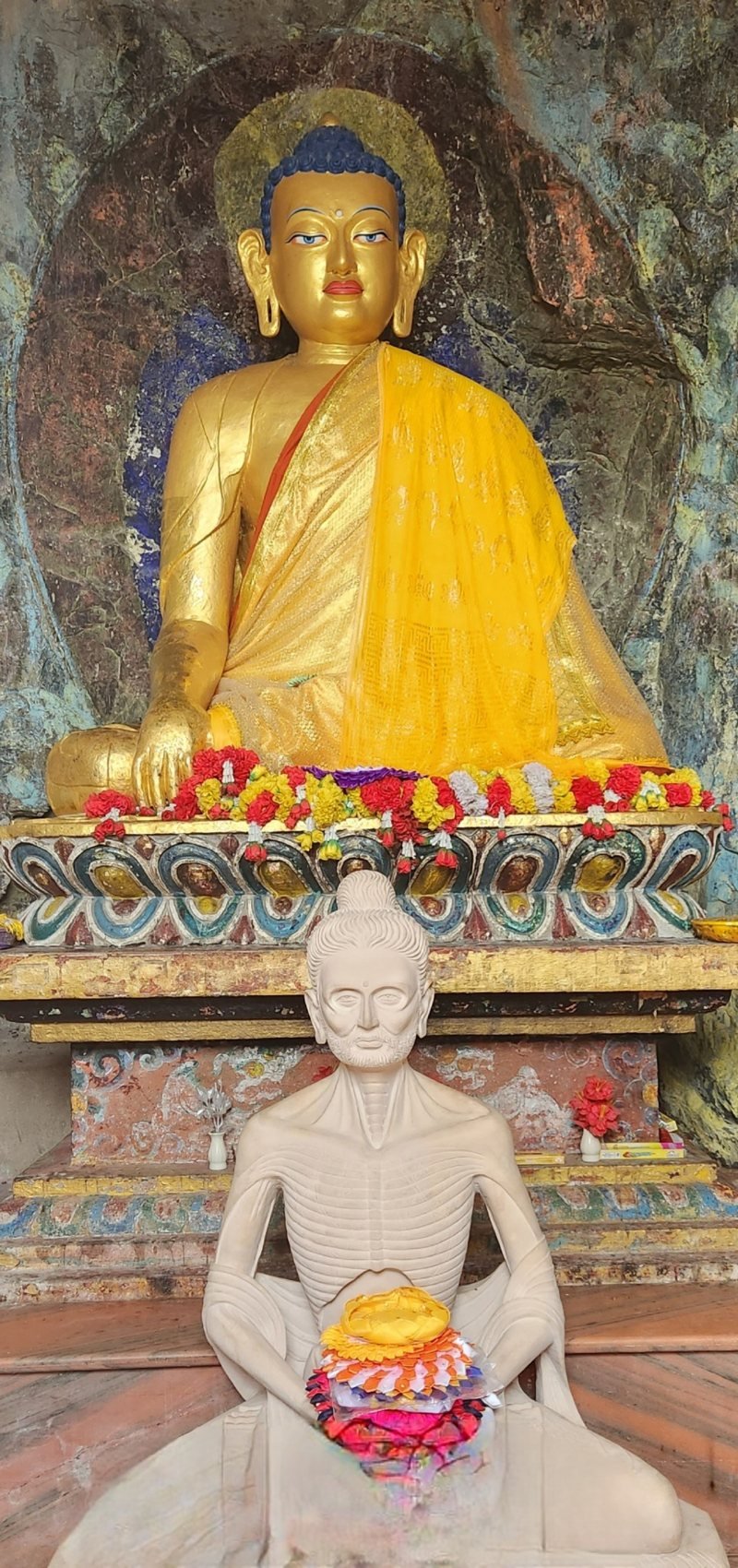
Pragbodhi Cave 2, Bodh Gaya, India
Images of the ascetic and awakened Buddha bring the limits of extreme effort and the discovery of the Middle Way into view.
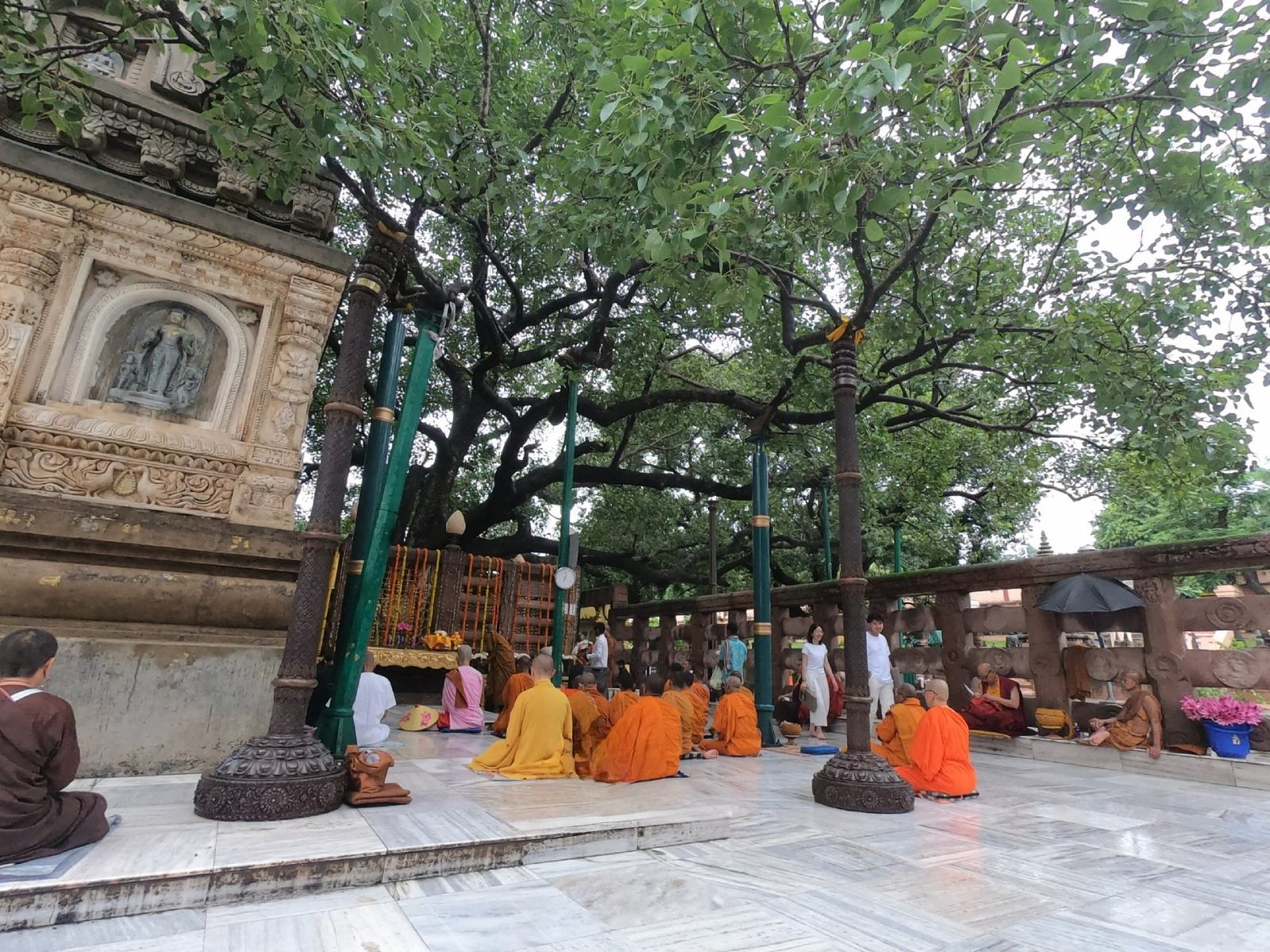
Bodhi Tree, Bodh Gaya, India
The Bodhi tree marks the place of awakening, understood in Buddhism as liberation from suffering.
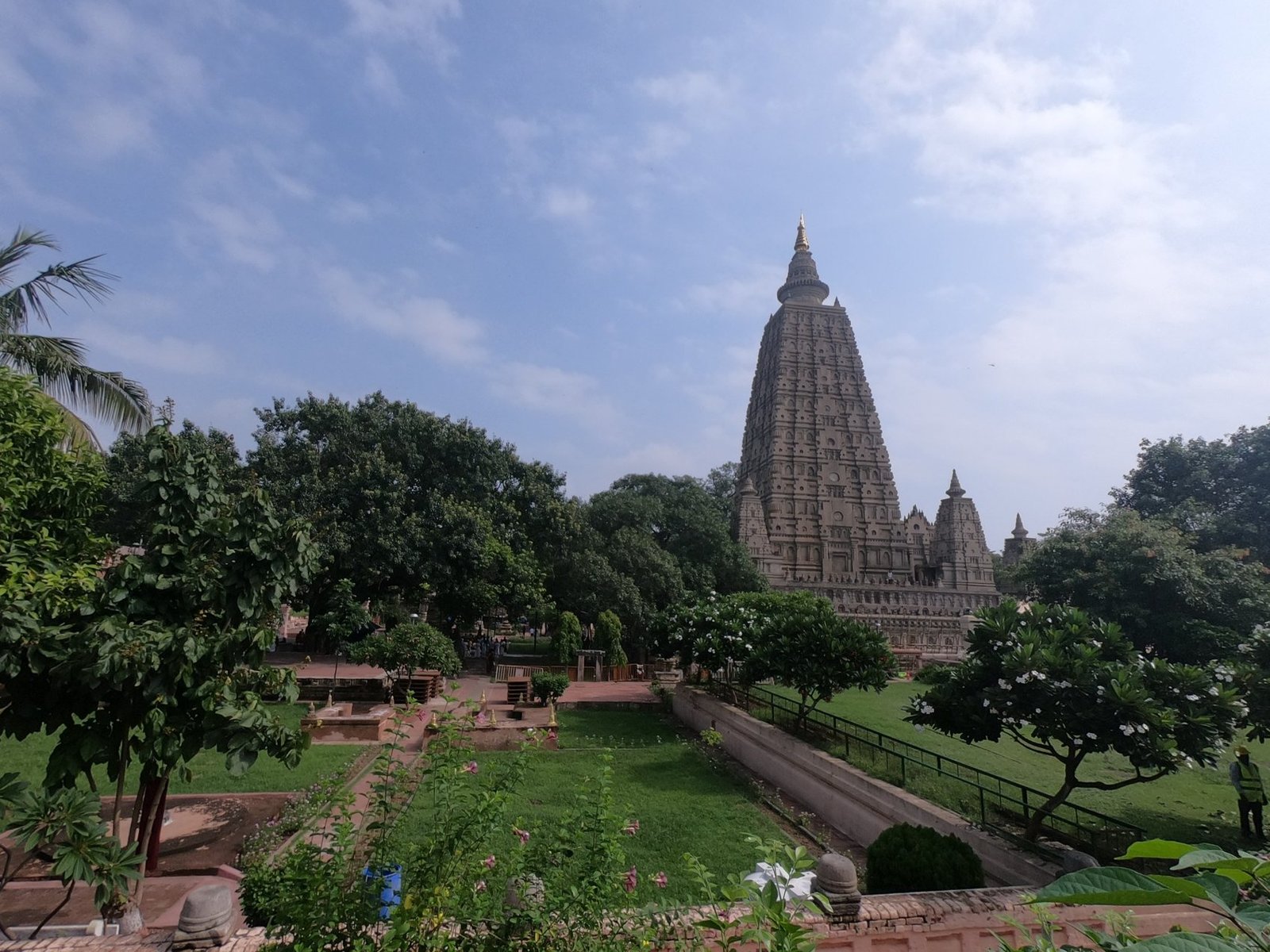
Mahabodhi Temple, Bodh Gaya, India
Built at the site of awakening, the temple remains a place of meditation and pilgrimage for Buddhist communities worldwide.
Teaching and life in community
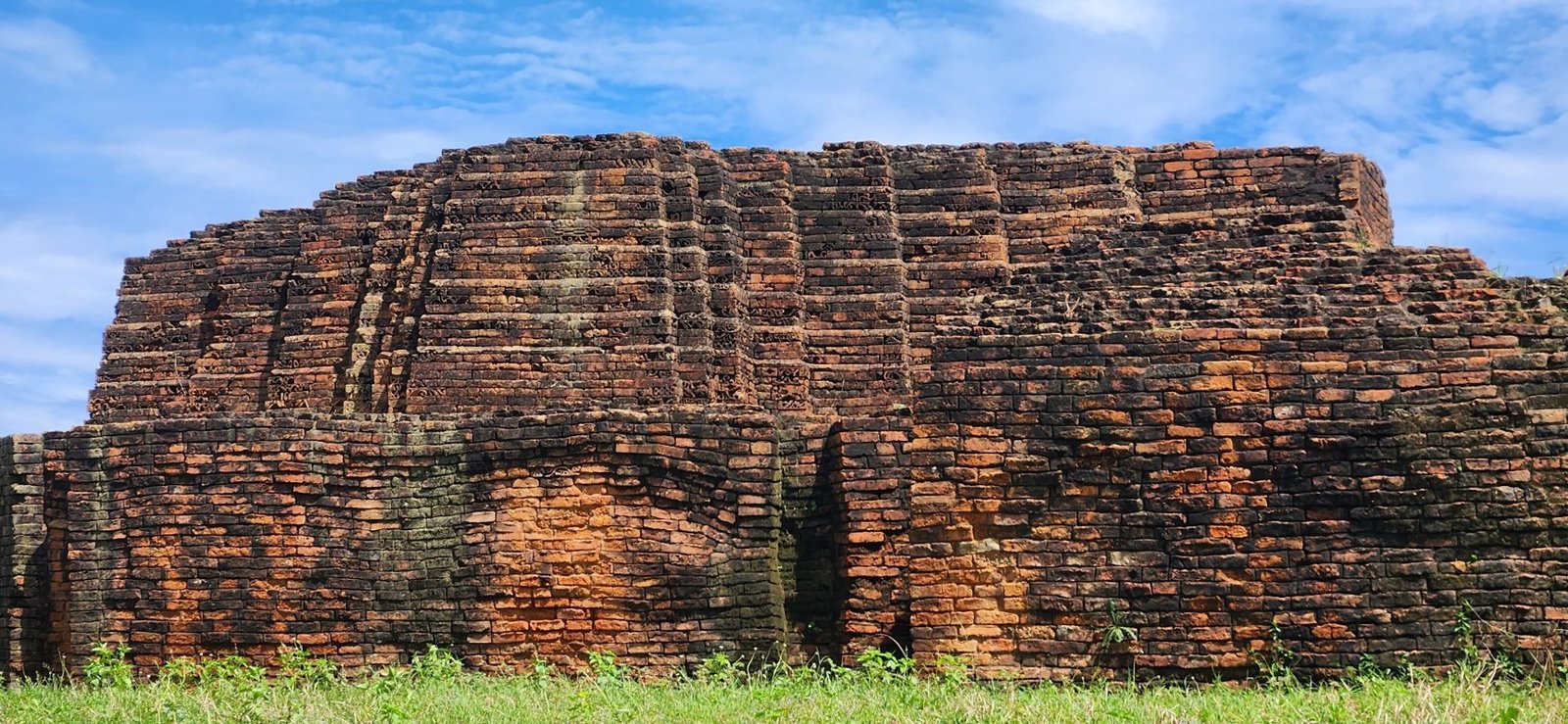
Nigrodharama Stupa, Kudan, Nepal
Traditionally associated with his return to his family after awakening, this site recalls the sharing of his new understanding.
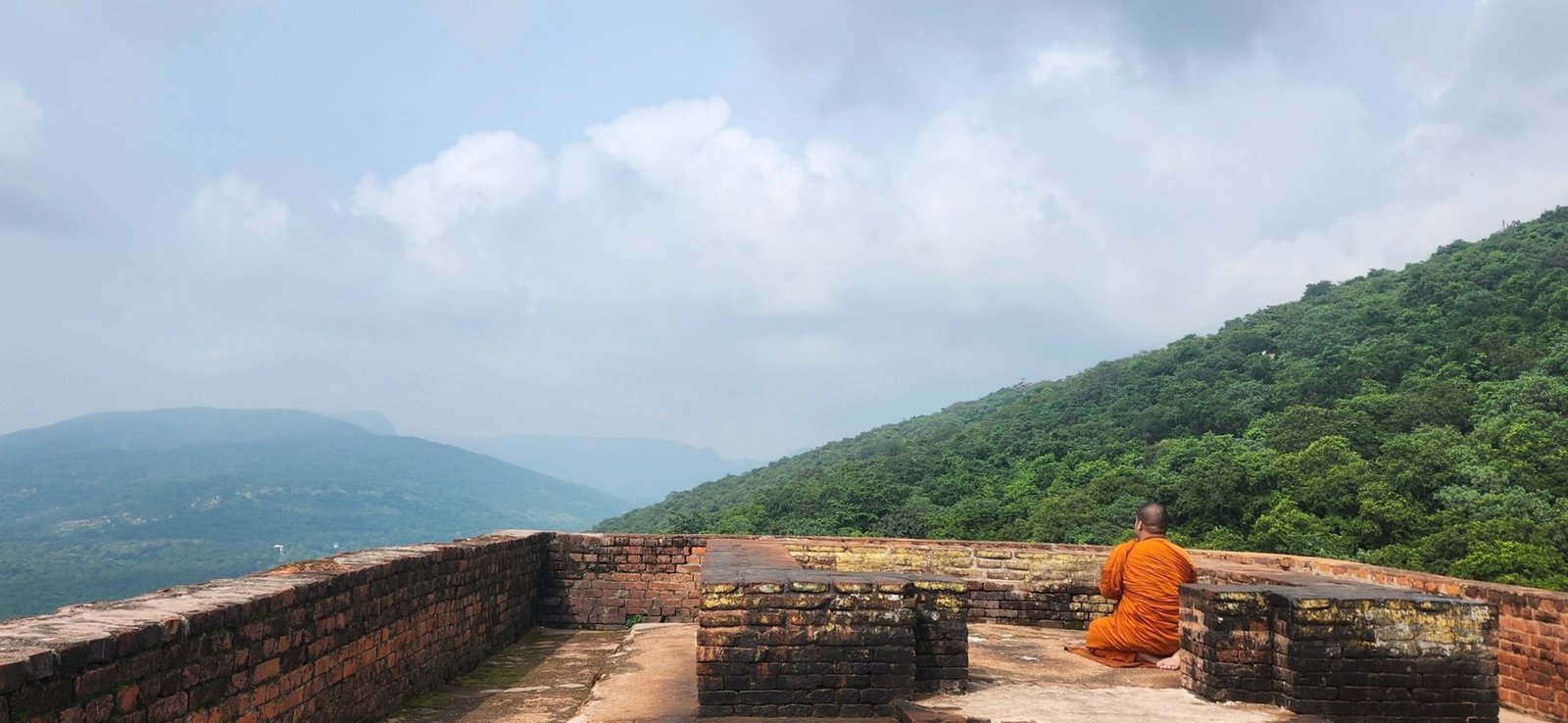
Vulture's Peak, Rajgir, India
A mountain retreat and teaching place, associated in Mahayana traditions with teachings on wisdom and emptiness.
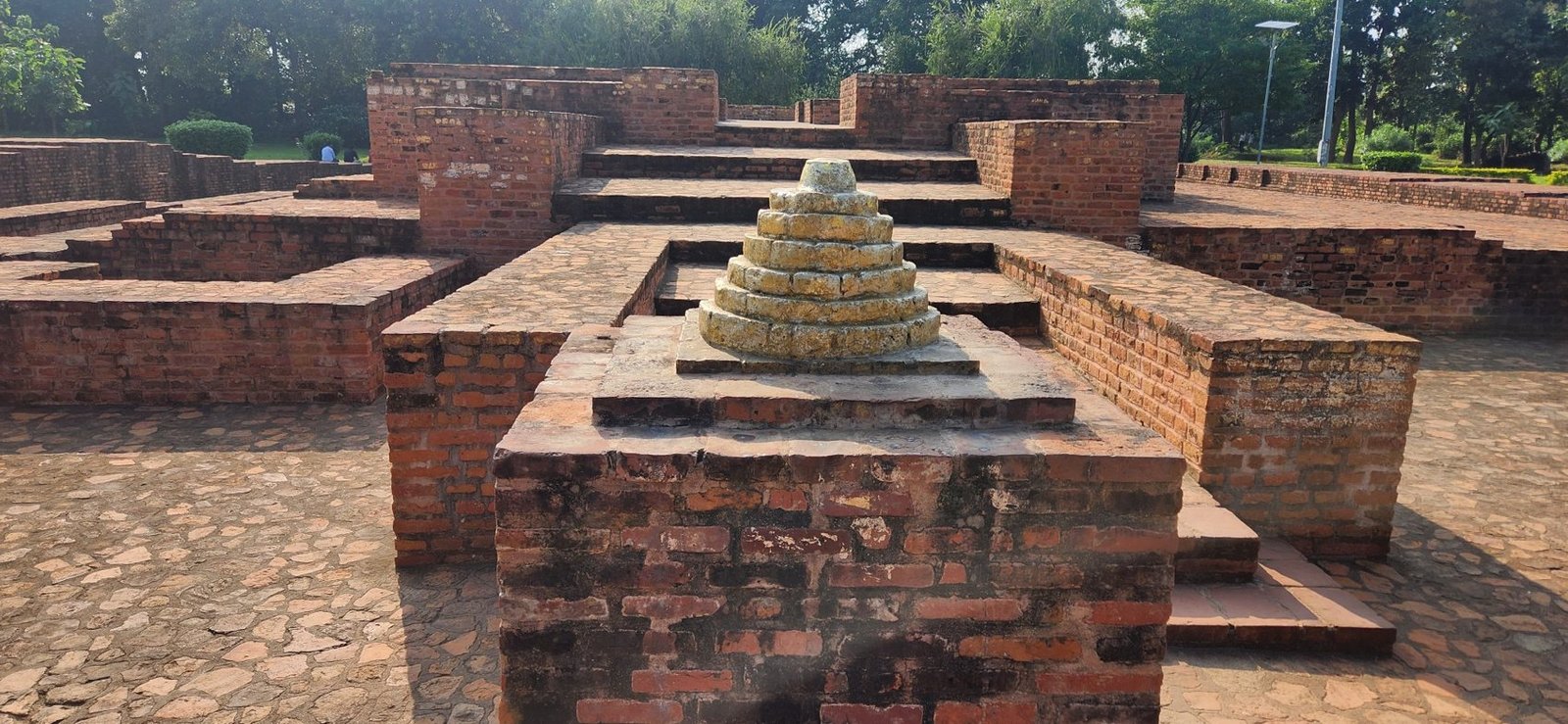
Buddha's Room, Jetavan Monastery, Shravasti, India
The remains of his dwelling recall the many rainy seasons he spent at Jetavana, teaching and living with the sangha.
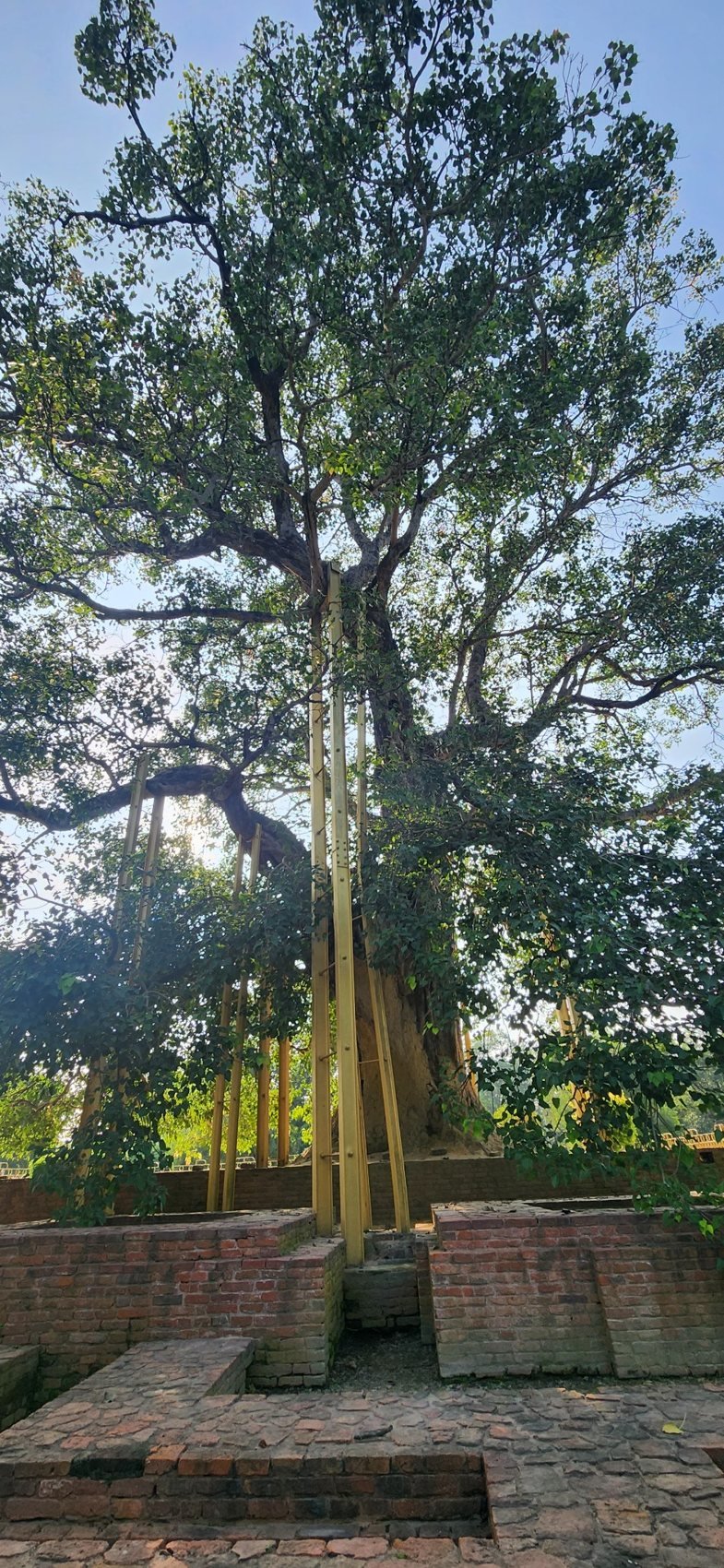
Ancient Bodhi Tree, Jetavan Monastery, India
A place of devotion within Jetavana, where shared practice and teaching sustained the community of practitioners.
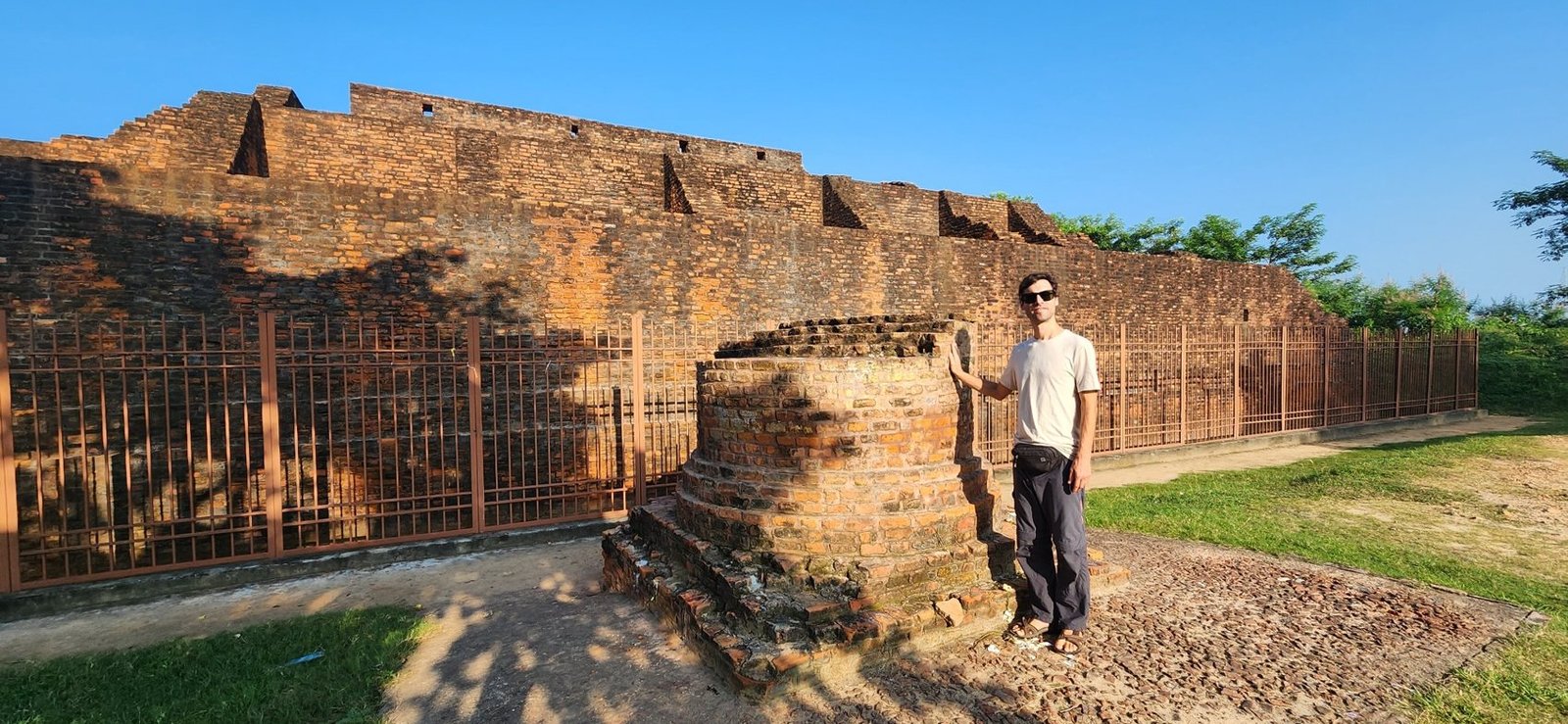
Angulimala Stupa, Shravasti, India
Associated with Angulimala, whose story of turning from violence to monastic life evokes the possibility of profound change.
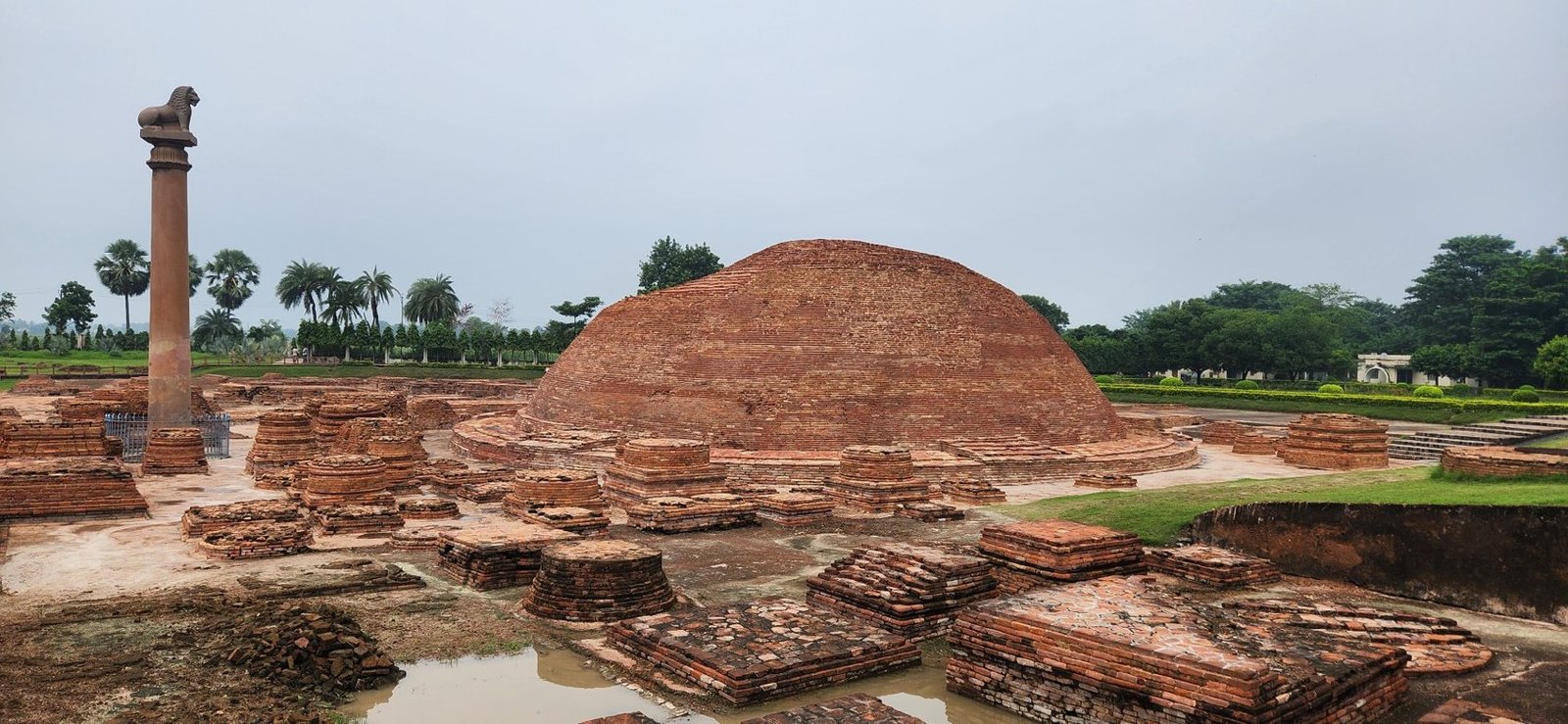
Vaishali, India
A frequent teaching place, associated in Buddhist accounts with Mahapajapati and the admission of women to monastic life.
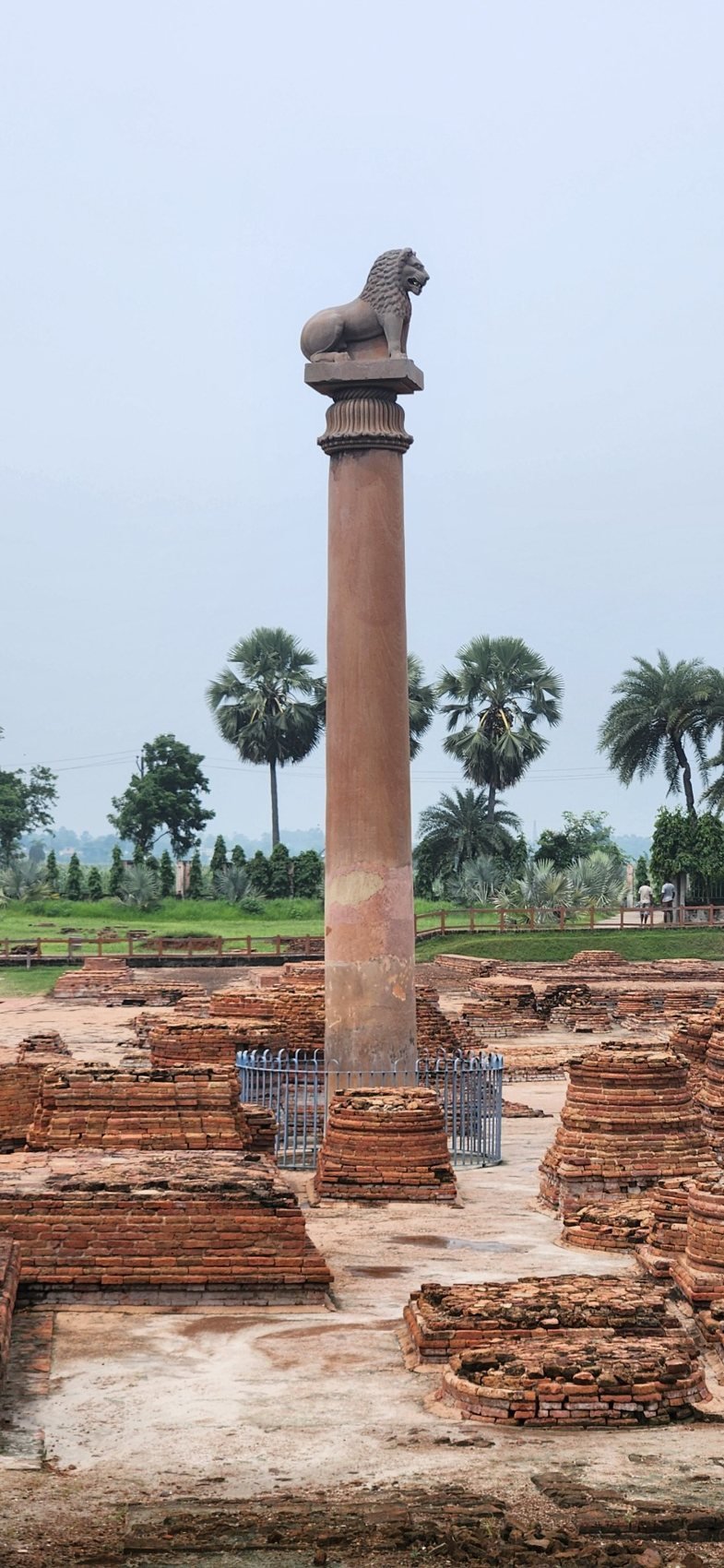
Ashoka Pillar, Vaishali, India
Erected centuries later, Ashoka’s pillar commemorates the Buddhist heritage of a place of teaching and community.
Farewell and final journey
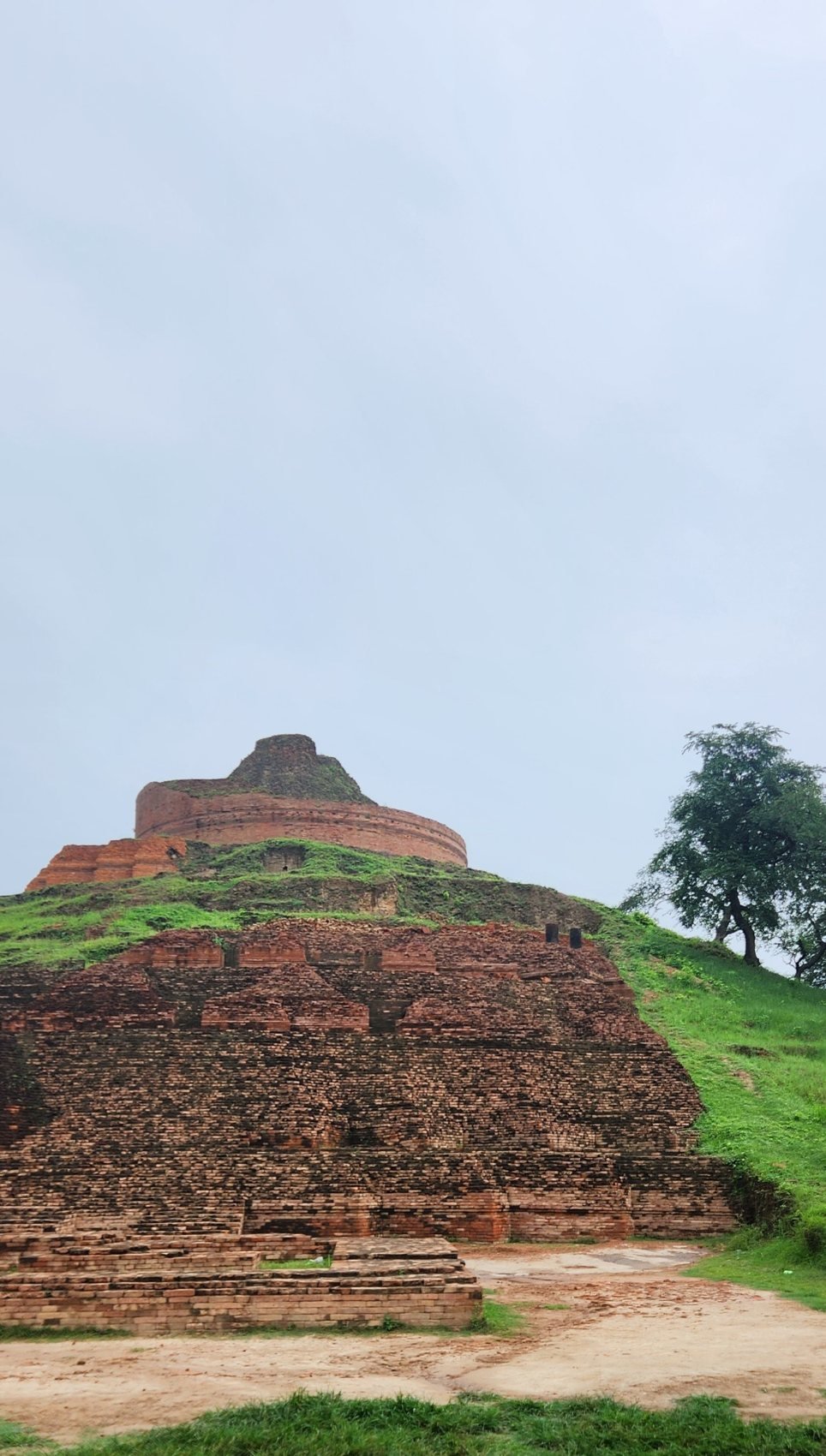
Kesariya Stupa, India
Tradition associates this site with the Buddha’s farewell to followers as he continued his final journey towards Kushinagar.
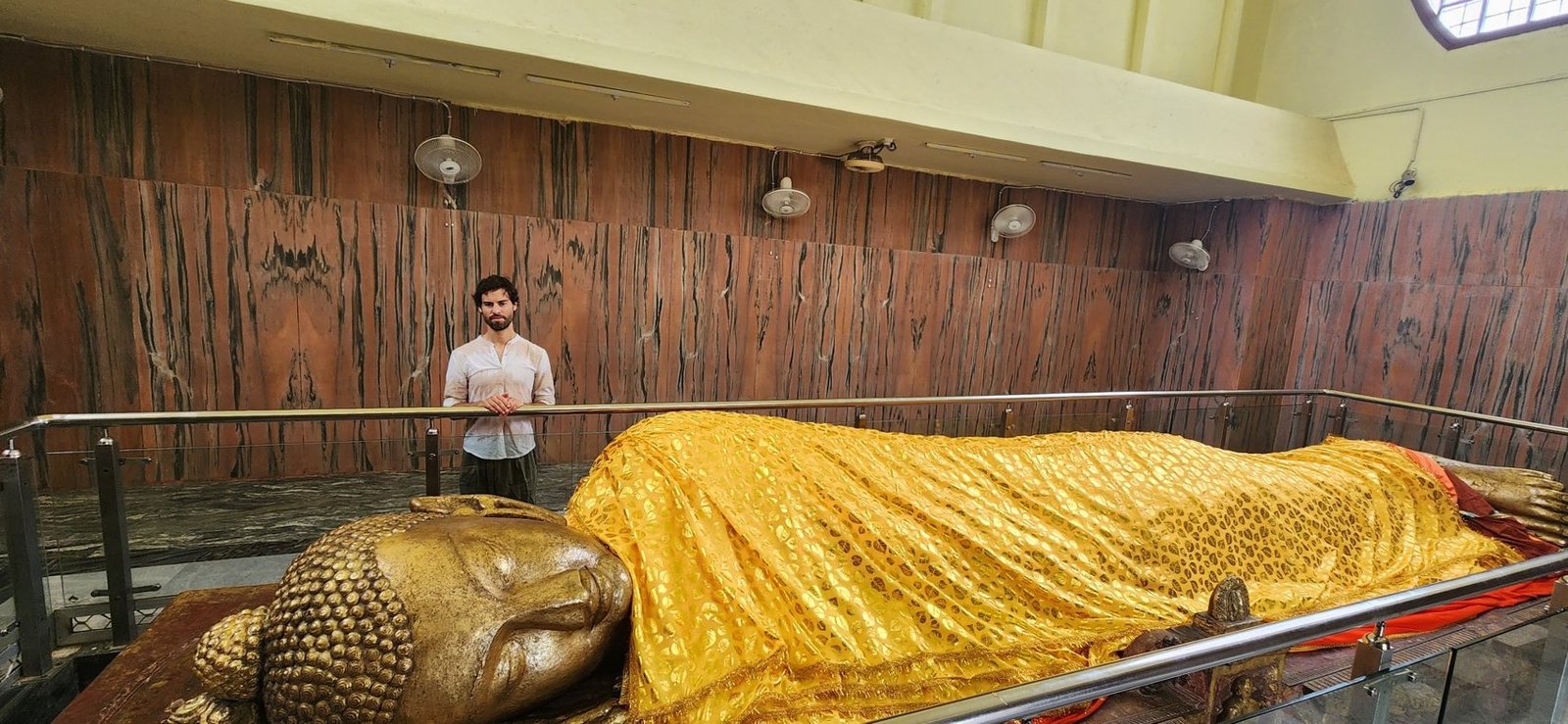
Kushinagar, India
The reclining Buddha commemorates his final passing, known in Buddhism as mahaparinirvana.
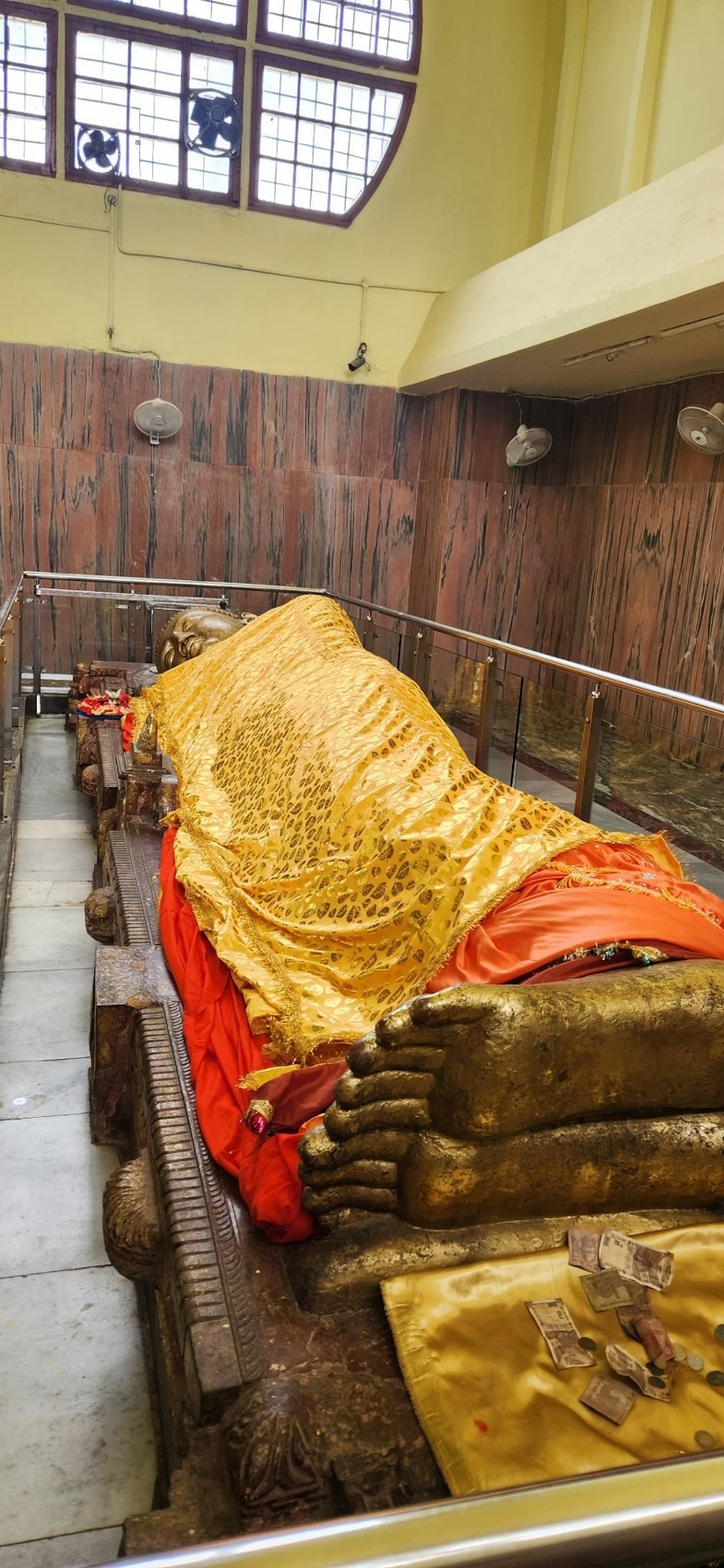
Kushinagar 2, India
Another view of the reclining Buddha invites reflection on impermanence and the continuation of his teachings after his death.
Questions that continue beyond the journey
What conditions help compassion become possible, particularly when effort and the wish to help are not enough? How might a deeper understanding of our interdependence influence the ways we respond to suffering?
These questions connect the pilgrimage with my ongoing reflections as a clinician. They also invite conversation about how psychotherapy can support the development of compassion through the body, discernment, relationships and community.
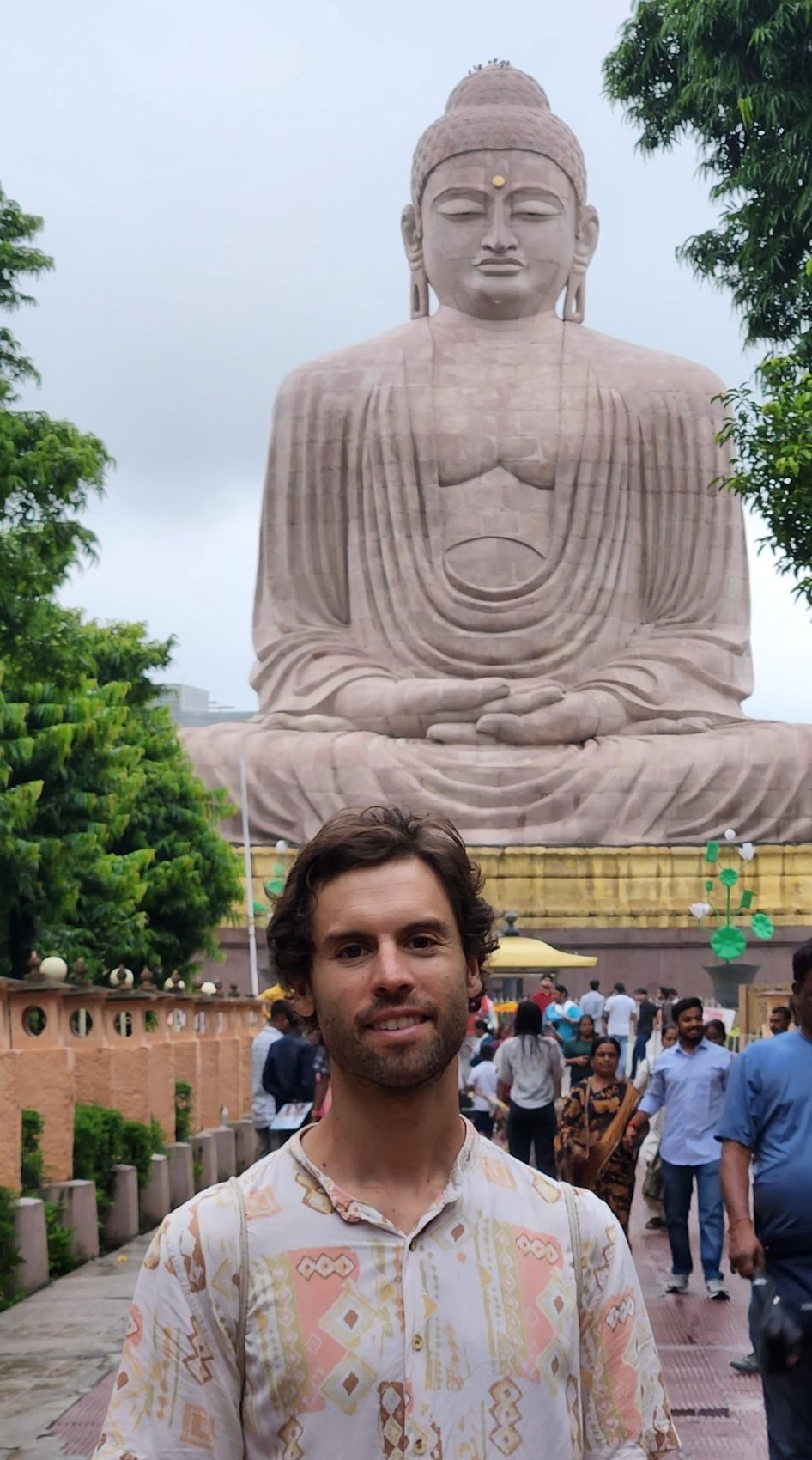
About Raimundo
I’m Raimundo Soto, a Chilean psychologist and psychotherapist trained at Pontificia Universidad Católica de Chile. My clinical work draws on Compassion Focused Therapy, and I am a certified Compassionate Mind Training facilitator through Balanced Minds in the UK.
I am also a Certified Psychedelic-Assisted Therapy Provider through the Integrative Psychiatry Institute (IPI) and co-founder of Sociedad Interdisciplinaria de Estudios Psicodélicos de Chile (SIEP).
In my practice, I work with people experiencing self-criticism, anxiety and difficulties in their relationships. My interests include the dialogue between psychotherapy and contemplative practice, psychedelic integration, and the conditions that allow compassion to develop in everyday life.
This pilgrimage brought those interests into conversation with the Buddha’s life and continues to inform questions I explore in my work.
About Naturaleza Compasiva
Naturaleza Compasiva is the practice and project through which I offer psychotherapy, facilitate groups and share reflections on compassion.
It grows from an interest in how we approach suffering, relate to ourselves and others, and build relationships and communities that support care.
Continue the conversation
If these reflections connect with your work or spark a question, I’d be glad to hear from you. You’re welcome to get in touch to share ideas, exchange experiences or explore opportunities for collaboration.